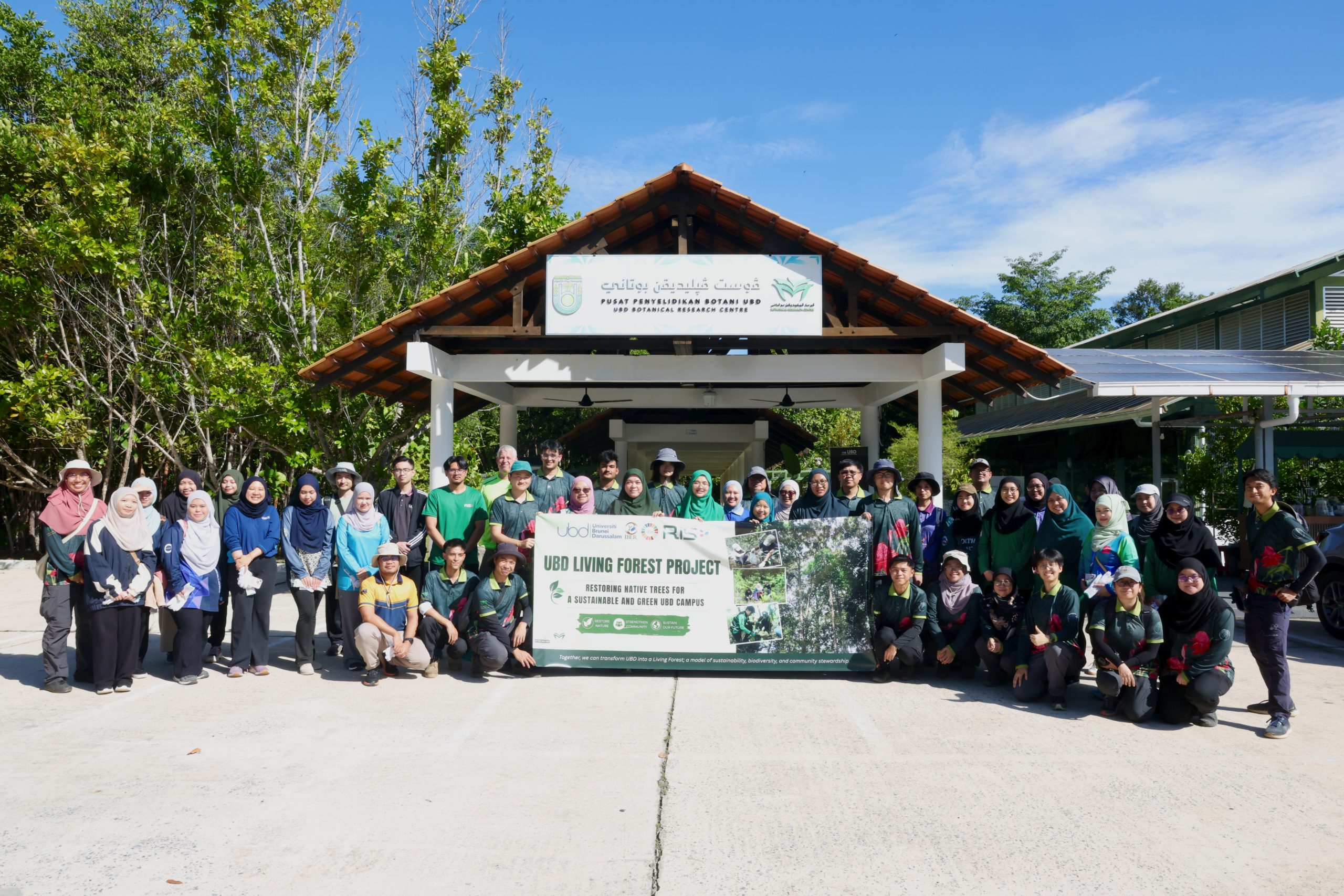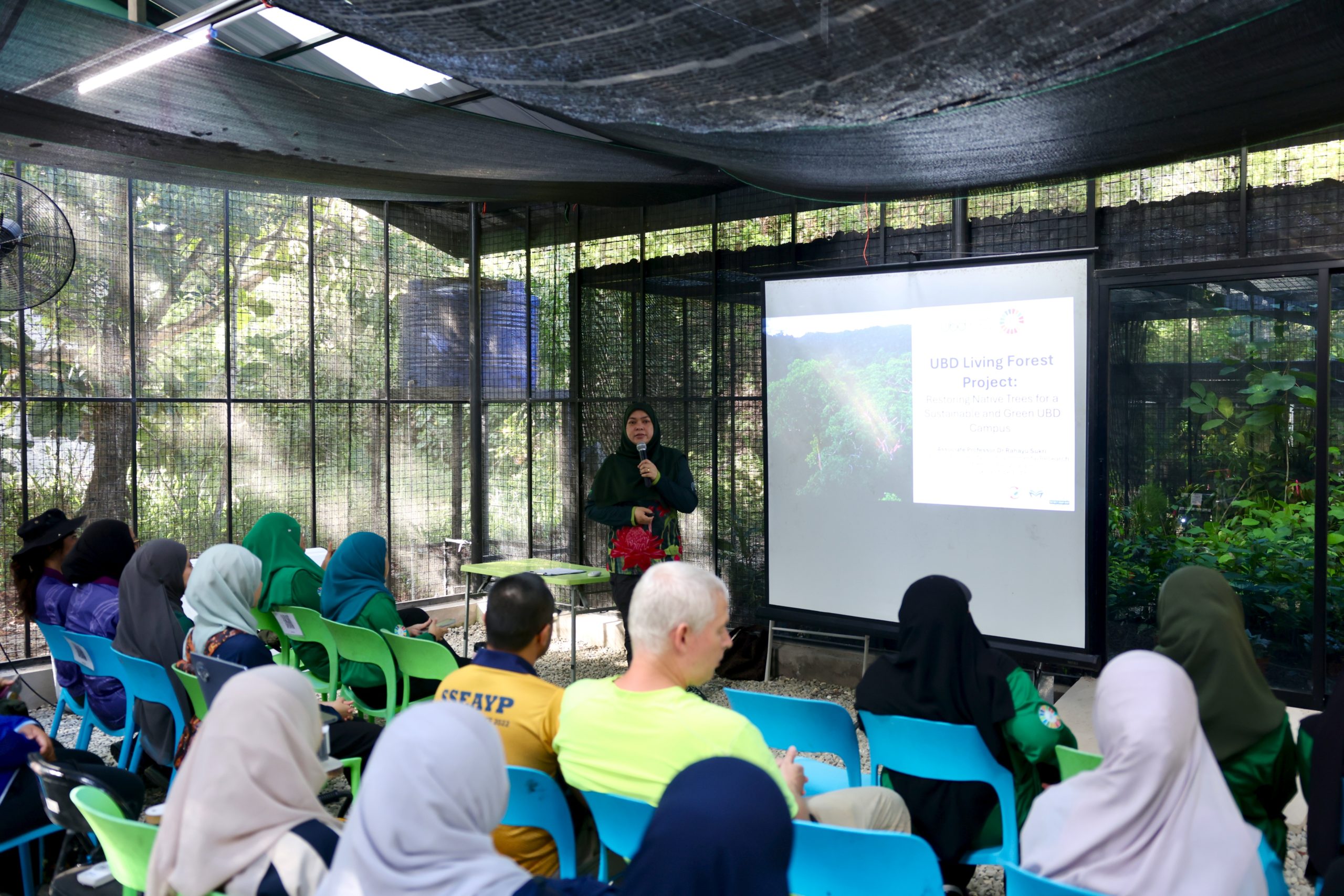
BANDAR SERI BEGAWAN, 6th JULY 2026 – The Institute for Biodiversity and Environmental Research (IBER), Universiti Brunei Darussalam (UBD), in collaboration with the Office of the Assistant Vice-Chancellor (Research, Innovation and Sustainability) (OAVC RIS), officially launched the UBD Living Forest Project: Restoring Native Trees for a Sustainable and Green UBD Campus on 6th July 2026 at the UBD campus.
The UBD Living Forest Project is a flagship project of UBD’s Sustainability Living Lab initiative, utilising a science-based ecological restoration approach aimed at enhancing native biodiversity on campus. Through a combined strategy focused on ecosystem restoration, long-term biodiversity monitoring, and community engagement, the project aims to plant 500 native tree saplings in permanent restoration sites. This effort supports UBD’s sustainability goals and Brunei Darussalam’s national restoration and tree planting targets.
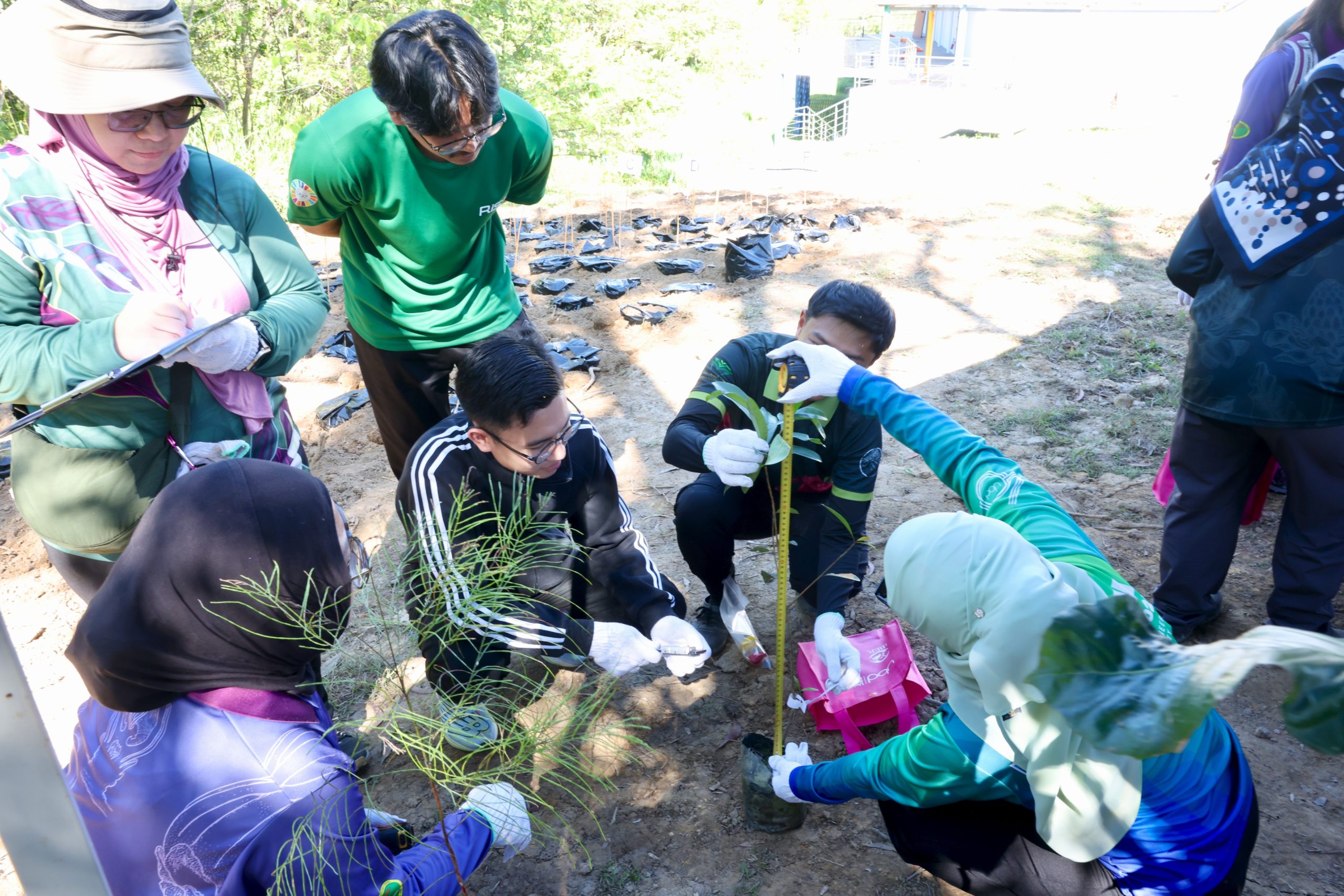
Beyond conventional tree planting, the UBD Living Forest Project places strong emphasis on scientific research, with systematic monitoring of saplings survival and growth, ecosystem recovery and biodiversity responses over time. These efforts will generate valuable data to inform restoration practices while strengthening UBD’s research and sustainability priorities.
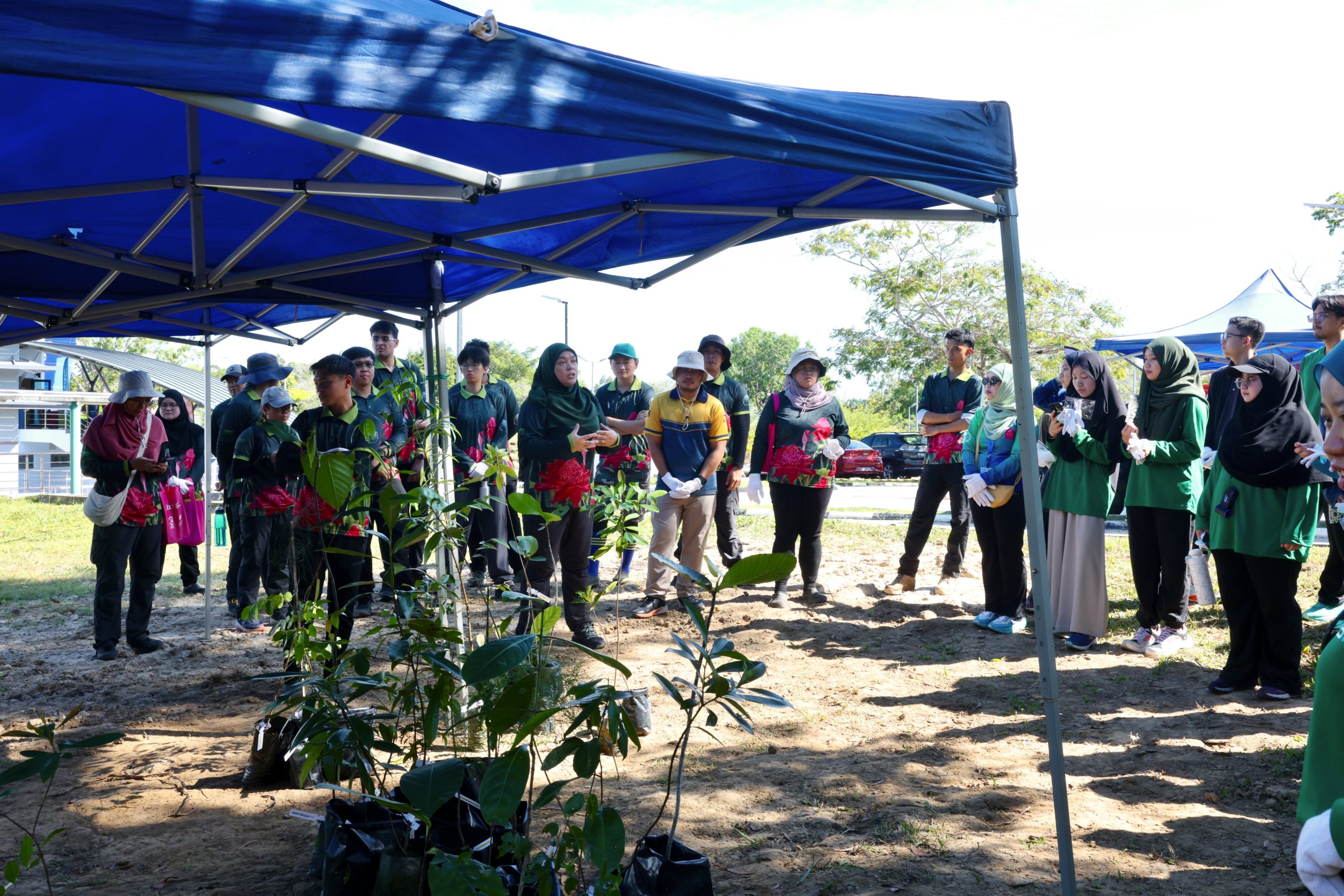
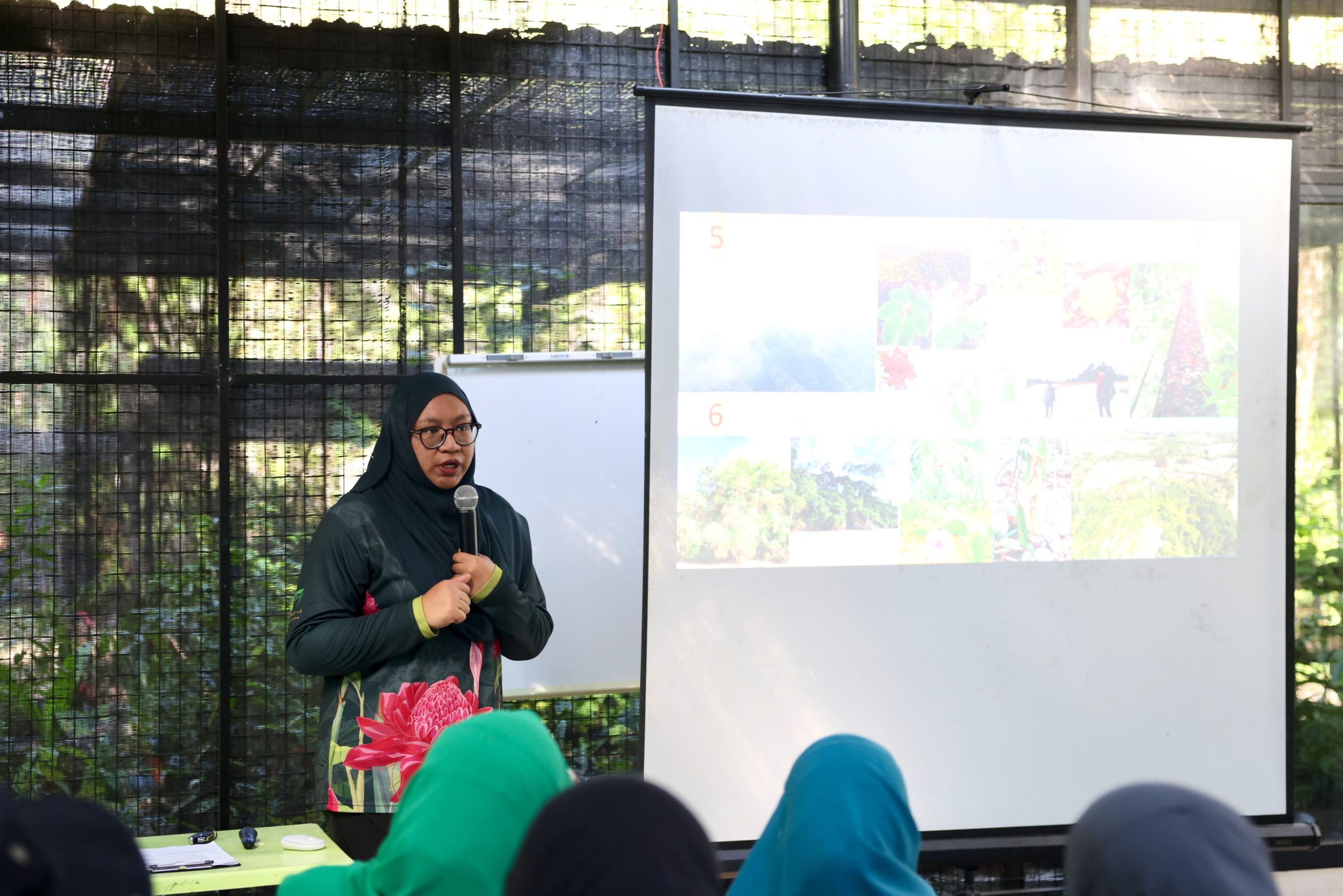
The launch programme began with welcoming remarks by Dr Sarah Ghazali, Deputy Director of Sustainability, OAVC RIS, UBD, who highlighted the importance of integrating research, education, and community engagement to advance UBD’s sustainability goals. She emphasised that the UBD Living Forest Project exemplifies UBD’s Sustainability Living Lab approach by transforming the campus into a real-world platform for research, learning and action, while contributing towards UBD’s commitment to increase green spaces and enhance biodiversity on campus.
Dr Sarah also underscored the project’s role in supporting national sustainability and conservation efforts through science-based ecological restoration and active stakeholder participation. Participants were then introduced to the objectives and activities of the project by Associate Professor Dr Rahayu Sukmaria Haji Sukri from IBER, the project’s Principal Investigator, who outlined the science-based framework underpinning the restoration strategy and its potential to generate meaningful research outputs and student learning opportunities.
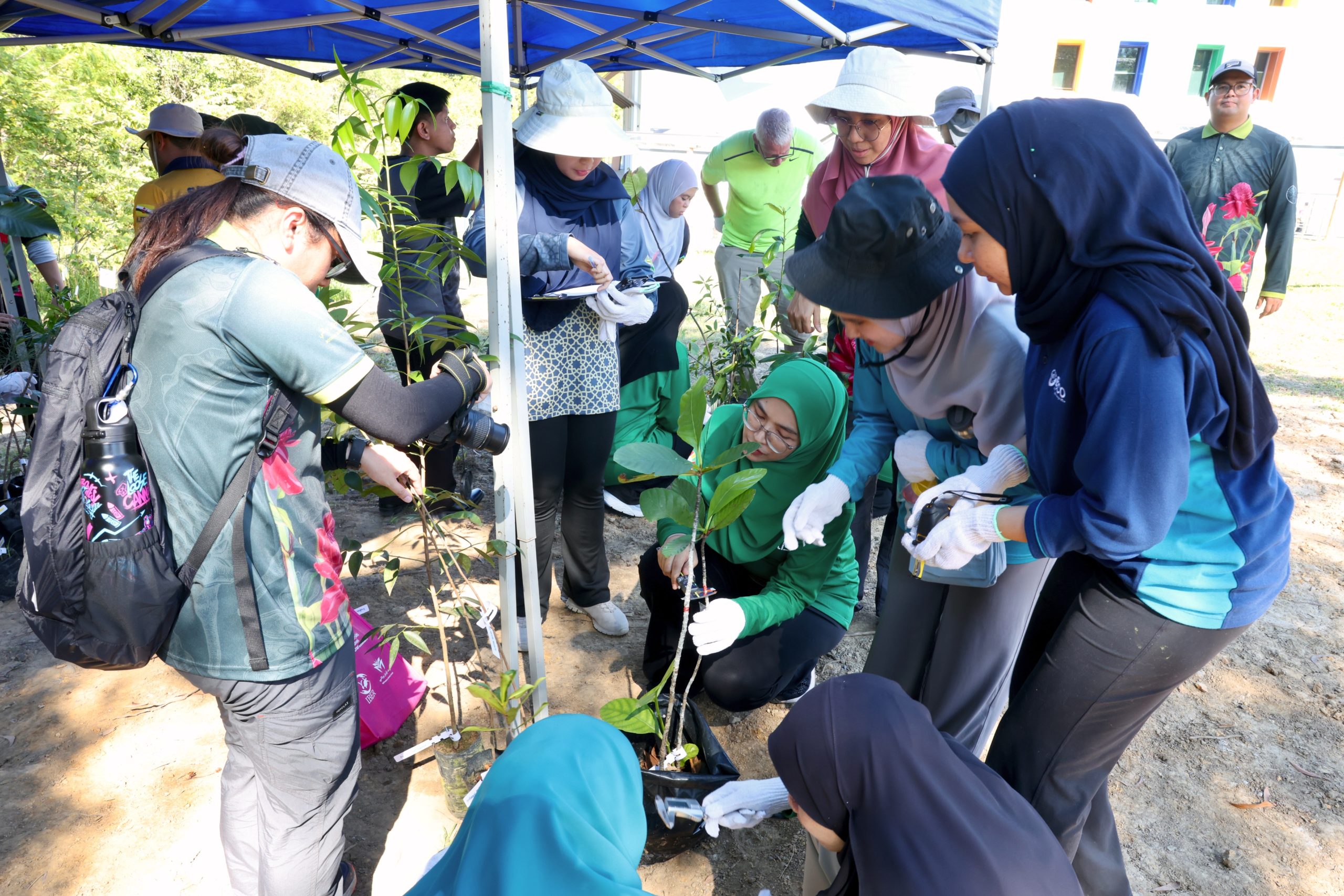
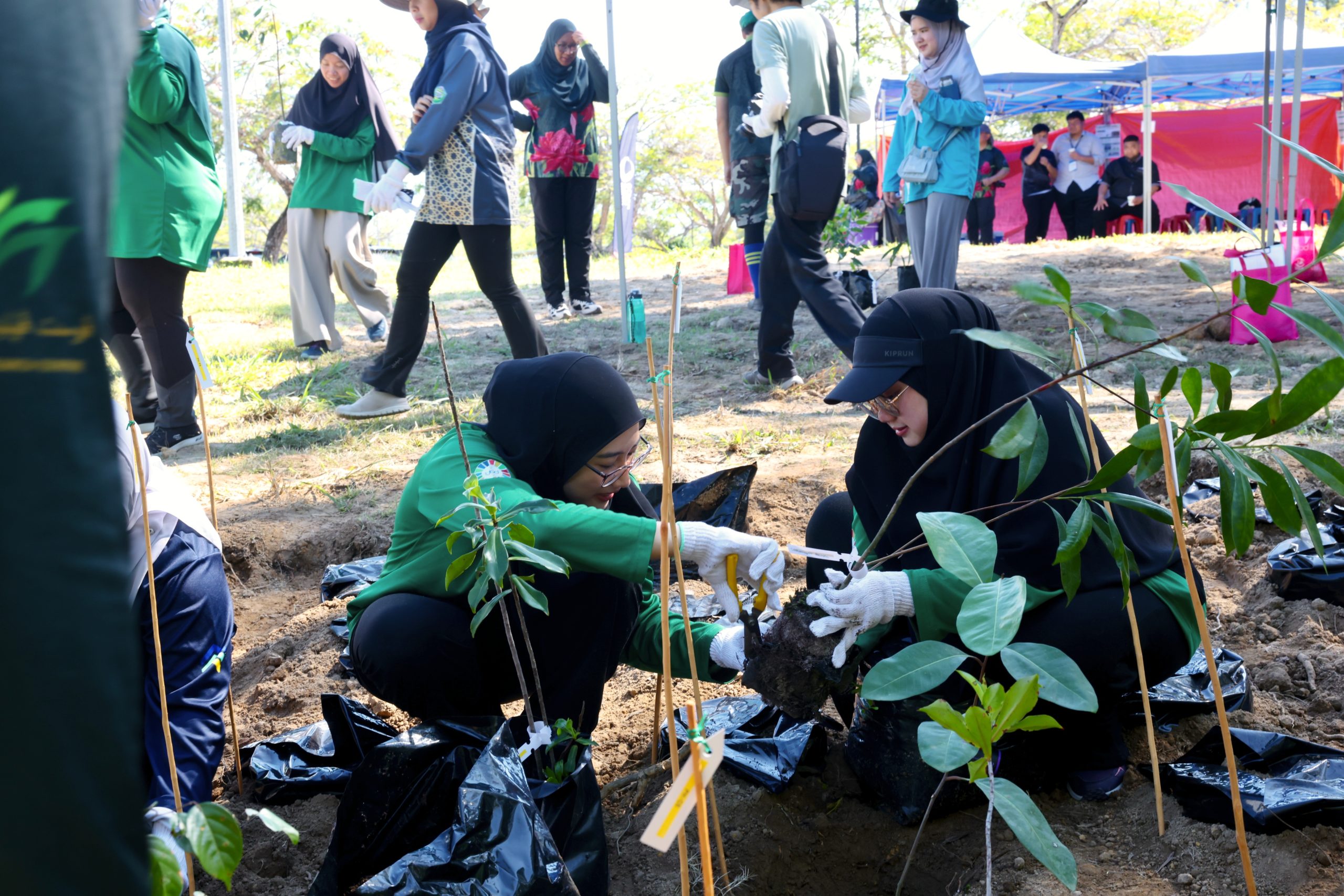
The project’s community tree planting event, held from 6th to 11th July 2026, has brought more than 100 volunteers comprising UBD staff and students, project stakeholders, and members of the public. Throughout the week, volunteers will plant over 345 saplings consisting of 35 diverse native species selected for their ecological suitability, conservation value and potential to support local biodiversity. Volunteers will also gain insights into Brunei Darussalam’s biodiversity, the importance of native species conservation and the role that forests play in supporting sustainability and climate resilience.
The UBD Living Forest Project demonstrates how science-based ecological restoration, combined with active community participation, can contribute towards creating a greener, more sustainable and biodiverse environment while supporting national conservation and sustainability goals. Continued monitoring and research activities will ensure that restoration outcomes are evaluated and improved over time, with additional planting phases planned.
In the long term, the project is expected to contribute significantly to biodiversity recovery on campus, enhance ecosystem resilience, and establish a living repository of native forest species. The restored sites will also function as living laboratories for research, teaching and student learning, and support broader sustainability and conservation initiatives at UBD.
For updates and information about volunteer opportunities and future events, follow the IBER Forest Ecology Group on Instagram at @peatswamp.iber and @ubd.iber.kbfsc.